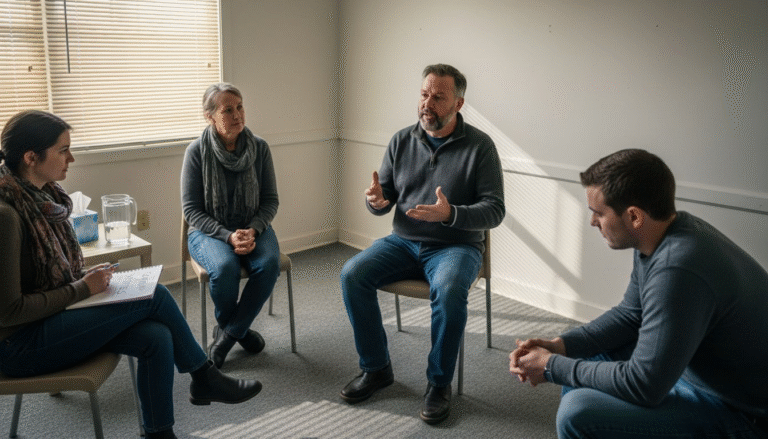
When addiction affects a family, conflict often becomes a painful part of everyday life. Misunderstandings, broken trust, emotional outbursts, and years of unresolved hurt can leave family members feeling disconnected from one another. Yet recovery offers something powerful: the opportunity to move from conflict to connection. At Seven Lakes Recovery, we understand that healing is not only about overcoming substance use. It is also about rebuilding relationships, restoring communication, and creating a healthier future for the entire family.
Families play a significant role in addiction recovery and mental health treatment. With the right support, education, and guidance, they can become a source of stability and encouragement that strengthens long-term recovery outcomes.
Why Conflict Develops During Addiction
Addiction affects every member of the household. As substance use progresses, family dynamics often shift in unhealthy ways. Loved ones may become fearful, frustrated, or exhausted, while the individual struggling with addiction may experience shame, defensiveness, or emotional withdrawal.
Over time, these emotions can lead to recurring conflict and strained relationships.
Common Sources of Family Conflict
- Broken promises and lost trust.
- Financial stress.
- Communication breakdowns.
- Enabling or codependent behaviors.
- Unresolved resentment and emotional pain.
Recognizing these patterns is an important first step toward healing.
How Families Can Begin Healing Together
Recovery creates an opportunity for families to rebuild connection intentionally. While the process takes time, small changes in communication, boundaries, and understanding can lead to meaningful progress.
Start With Honest Communication
Open and respectful communication is one of the most important tools in family recovery. This means listening without immediately reacting, expressing feelings calmly, and avoiding blame-focused conversations.
Families do not need to have perfect conversations. They simply need a safe space where honesty and empathy are encouraged.
Acknowledge the Impact of Addiction
Healing becomes more effective when everyone recognizes that addiction has affected the entire family system. This acknowledgment allows family members to move away from denial and toward constructive problem-solving.
It also helps individuals in recovery understand the emotional impact their addiction may have had on loved ones.
The Role of Family Therapy in Recovery
At Seven Lakes Recovery, family involvement is an important part of a comprehensive and individualized treatment approach. Family therapy provides a structured environment where difficult conversations can happen safely.
Benefits of Family Therapy
- Improves communication skills.
- Rebuilds trust.
- Addresses unresolved conflict.
- Strengthens emotional connection.
- Develops healthier family dynamics.
Therapy also helps families learn how to support recovery without enabling unhealthy behaviors.
Practical Ways Families Can Support Healing
Moving from conflict to connection requires ongoing effort at home. Families can strengthen recovery through consistent, supportive actions.
Set Healthy Boundaries
Boundaries are essential for both accountability and emotional safety. Healthy boundaries help family members avoid enabling behaviors while still offering compassion and support.
Examples include:
- Communicating expectations clearly.
- Encouraging personal responsibility.
- Avoiding participation in harmful behaviors.
- Respecting emotional limits.
Encourage Healthy Routines
Structure can reduce stress and support emotional stability during recovery. Families can encourage regular sleep, balanced meals, physical activity, and healthy coping strategies.
These routines help create a more stable home environment for everyone involved.
Support Holistic Healing
Seven Lakes Recovery integrates holistic and faith-based approaches alongside evidence-based addiction treatment. Families can reinforce this care by encouraging mindfulness, spiritual reflection, journaling, or other wellness practices that support emotional balance.
Rebuilding Trust Takes Time
One of the biggest challenges in family recovery is rebuilding trust. Trust is not restored overnight. It develops gradually through consistent actions, honesty, and accountability.
Families can support this process by recognizing progress, celebrating small victories, and allowing space for healing to unfold naturally.
Patience is essential. Recovery is rarely linear, and relationship healing often follows its own timeline.
Remember That Families Need Healing Too
Family members often carry their own emotional wounds from the experience of addiction. Seeking counseling, joining support groups, or practicing self-care can help loved ones process their feelings and maintain their own well-being.
When families take care of themselves, they are better equipped to support long-term recovery in a healthy and sustainable way.
Conclusion: Connection Is Possible
Moving from conflict to connection is one of the most meaningful parts of addiction recovery. While the journey may involve difficult conversations and emotional healing, families can emerge stronger, healthier, and more connected than before.
At Seven Lakes Recovery, we are committed to helping individuals and families heal together through compassionate, client-centered care. Our addiction recovery services, mental health treatment, inpatient and outpatient programs, and holistic approaches are designed to support lasting wellness for the whole family.
If your family is struggling with the effects of addiction, you do not have to navigate the healing process alone. Reach out to Seven Lakes Recovery today to learn how professional support can help your family rebuild trust, strengthen connection, and move forward with hope.