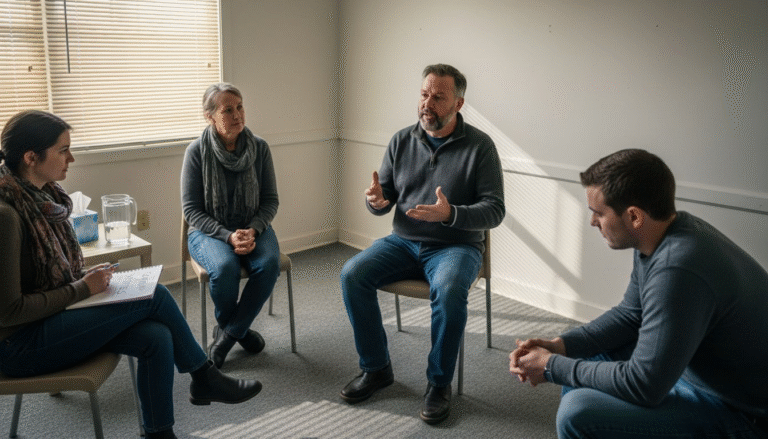
From Conflict to Connection: How Families Heal During Addiction Recovery

When addiction affects a family, conflict often becomes a painful part of everyday life. Misunderstandings, broken trust, emotional outbursts, and years of unresolved hurt can leave family members feeling disconnected from one another. Yet recovery offers something powerful: the opportunity to move from conflict to connection. At Seven Lakes Recovery, we understand that healing is not only about overcoming substance use. It is also about rebuilding relationships, restoring communication, and creating a healthier future for the entire family.

Families play a significant role in addiction recovery and mental health treatment. With the right support, education, and guidance, they can become a source of stability and encouragement that strengthens long-term recovery outcomes.

Why Conflict Develops During Addiction

Addiction affects every member of the household. As substance use progresses, family dynamics often shift in unhealthy ways. Loved ones may become fearful, frustrated, or exhausted, while the individual struggling with addiction may experience shame, defensiveness, or emotional withdrawal.

Over time, these emotions can lead to recurring conflict and strained relationships.

Common Sources of Family Conflict

  • Broken promises and lost trust.
  • Financial stress.
  • Communication breakdowns.
  • Enabling or codependent behaviors.
  • Unresolved resentment and emotional pain.

Recognizing these patterns is an important first step toward healing.

How Families Can Begin Healing Together

Recovery creates an opportunity for families to rebuild connection intentionally. While the process takes time, small changes in communication, boundaries, and understanding can lead to meaningful progress.

Start With Honest Communication

Open and respectful communication is one of the most important tools in family recovery. This means listening without immediately reacting, expressing feelings calmly, and avoiding blame-focused conversations.

Families do not need to have perfect conversations. They simply need a safe space where honesty and empathy are encouraged.

Acknowledge the Impact of Addiction

Healing becomes more effective when everyone recognizes that addiction has affected the entire family system. This acknowledgment allows family members to move away from denial and toward constructive problem-solving.

It also helps individuals in recovery understand the emotional impact their addiction may have had on loved ones.

The Role of Family Therapy in Recovery

At Seven Lakes Recovery, family involvement is an important part of a comprehensive and individualized treatment approach. Family therapy provides a structured environment where difficult conversations can happen safely.

Benefits of Family Therapy

  • Improves communication skills.
  • Rebuilds trust.
  • Addresses unresolved conflict.
  • Strengthens emotional connection.
  • Develops healthier family dynamics.

Therapy also helps families learn how to support recovery without enabling unhealthy behaviors.

Practical Ways Families Can Support Healing

Moving from conflict to connection requires ongoing effort at home. Families can strengthen recovery through consistent, supportive actions.

Set Healthy Boundaries

Boundaries are essential for both accountability and emotional safety. Healthy boundaries help family members avoid enabling behaviors while still offering compassion and support.

Examples include:

  • Communicating expectations clearly.
  • Encouraging personal responsibility.
  • Avoiding participation in harmful behaviors.
  • Respecting emotional limits.

Encourage Healthy Routines

Structure can reduce stress and support emotional stability during recovery. Families can encourage regular sleep, balanced meals, physical activity, and healthy coping strategies.

These routines help create a more stable home environment for everyone involved.

Support Holistic Healing

Seven Lakes Recovery integrates holistic and faith-based approaches alongside evidence-based addiction treatment. Families can reinforce this care by encouraging mindfulness, spiritual reflection, journaling, or other wellness practices that support emotional balance.

Rebuilding Trust Takes Time

One of the biggest challenges in family recovery is rebuilding trust. Trust is not restored overnight. It develops gradually through consistent actions, honesty, and accountability.

Families can support this process by recognizing progress, celebrating small victories, and allowing space for healing to unfold naturally.

Patience is essential. Recovery is rarely linear, and relationship healing often follows its own timeline.

Remember That Families Need Healing Too

Family members often carry their own emotional wounds from the experience of addiction. Seeking counseling, joining support groups, or practicing self-care can help loved ones process their feelings and maintain their own well-being.

When families take care of themselves, they are better equipped to support long-term recovery in a healthy and sustainable way.

Conclusion: Connection Is Possible

Moving from conflict to connection is one of the most meaningful parts of addiction recovery. While the journey may involve difficult conversations and emotional healing, families can emerge stronger, healthier, and more connected than before.

At Seven Lakes Recovery, we are committed to helping individuals and families heal together through compassionate, client-centered care. Our addiction recovery services, mental health treatment, inpatient and outpatient programs, and holistic approaches are designed to support lasting wellness for the whole family.

If your family is struggling with the effects of addiction, you do not have to navigate the healing process alone. Reach out to Seven Lakes Recovery today to learn how professional support can help your family rebuild trust, strengthen connection, and move forward with hope.

The Power of Support: How Families Influence Long-Term Recovery Success

Recovery from addiction and mental health challenges is rarely achieved alone. While personalized treatment, professional guidance, and evidence based therapies provide the foundation for healing, the support of family can make a lasting difference long after treatment ends. A caring, informed, and encouraging support system helps individuals navigate challenges, celebrate progress, and build confidence as they move forward. At Seven Lakes Recovery, we believe that lasting recovery is strongest when families become active partners in the healing process.

Why Family Support Is Essential for Long-Term Recovery

Addiction and mental health conditions affect the entire family. Loved ones often experience emotional stress, uncertainty, and changes in family dynamics while trying to help someone they care about. Likewise, individuals entering recovery may struggle with guilt, fear, or shame that makes reconnecting with family difficult.

Recovery provides an opportunity for everyone to heal. When families learn how to communicate effectively and provide healthy support, they help create an environment where long-term wellness becomes possible.

Recovery Continues Beyond Treatment

Completing inpatient or outpatient treatment is a significant milestone, but it is only one step in the recovery journey. Returning home introduces new responsibilities, routines, and potential stressors. During this transition, a supportive family can reinforce healthy habits and encourage continued growth.

A stable home environment often helps individuals remain committed to therapy, recovery meetings, and other aftercare services that support long-term success.

How Families Positively Influence Recovery

Family members cannot complete recovery for someone else, but they can make the journey more manageable through consistent encouragement and understanding.

Providing Emotional Encouragement

Recovery often involves emotional highs and lows. Some days feel hopeful, while others bring frustration or self doubt. Family members who offer compassion instead of criticism help create a sense of emotional safety.

Simple actions such as listening carefully, expressing encouragement, and acknowledging progress remind loved ones that they are not facing recovery alone.

Building Trust Through Consistency

Trust is one of the most valuable parts of recovery, yet it often takes time to rebuild. Families strengthen trust by maintaining honest communication, respecting boundaries, and following through on commitments.

Consistency creates predictability, which helps everyone feel more secure as relationships begin to heal.

Encouraging Continued Treatment

Many people continue participating in counseling, outpatient care, peer support groups, or recovery coaching after completing residential treatment. Families who encourage these ongoing services reinforce the importance of lifelong recovery rather than viewing treatment as a one-time event.

Practical Ways Families Can Support Recovery

At Seven Lakes Recovery, treatment is individualized because every person’s journey is different. Families can extend that individualized support at home through practical daily actions.

Learn About Addiction and Mental Health

Education helps families understand that addiction and mental health conditions are complex medical issues rather than personal failures. Learning about recovery, relapse prevention, and emotional wellness encourages more compassionate and effective support.

Create Healthy Daily Routines

A structured lifestyle promotes stability. Families can encourage routines that include:

  • Consistent sleep schedules
  • Balanced meals
  • Regular physical activity
  • Time for relaxation and reflection
  • Healthy recreational activities

These habits promote both physical and emotional wellness.

Establish Healthy Boundaries

Healthy boundaries create respect, accountability, and emotional safety for everyone involved. They help prevent enabling behaviors while encouraging independence and personal responsibility.

Boundaries should be communicated clearly and maintained consistently, always with compassion and mutual respect.

Participate in Family Therapy

Family therapy allows everyone to heal together. It provides a safe setting where unresolved concerns can be discussed openly while improving communication and strengthening relationships.

At Seven Lakes Recovery, family involvement is an important part of comprehensive care because healing relationships often supports lasting personal recovery.

Supporting Holistic Wellness Together

Long-term recovery involves more than avoiding substance use. It includes improving overall quality of life through physical, emotional, mental, and spiritual wellness.

Seven Lakes Recovery embraces a holistic and faith-based approach that complements evidence based treatment. Families can reinforce these principles by encouraging mindfulness, healthy nutrition, physical activity, meaningful relationships, spiritual growth, and positive coping strategies that reduce stress.

These shared healthy habits strengthen both the individual and the family as a whole.

Remember That Families Need Healing Too

Supporting someone in recovery can be emotionally demanding. Family members may carry feelings of worry, disappointment, or exhaustion after months or years of navigating addiction or mental health challenges.

Seeking counseling, joining family support groups, and practicing self care are not signs of weakness. They help families remain emotionally healthy and better prepared to provide long-term support.

Healthy families build healthier recovery environments.

Conclusion: Recovery Grows Stronger Through Family Support

Long-term recovery is built through daily choices, meaningful relationships, and consistent support. While professional treatment lays the groundwork, families often provide the encouragement that helps recovery continue long after formal treatment ends.

At Seven Lakes Recovery, we understand that every recovery journey is unique. Our compassionate, client-centered programs combine addiction treatment, mental health care, inpatient and outpatient services, and holistic healing to support both individuals and their loved ones.

If someone you care about is beginning the journey toward recovery, you do not have to face it alone. Contact Seven Lakes Recovery today to learn how family involvement, personalized treatment, and compassionate care can help create lasting recovery and a healthier future for everyone involved.

Rebuilding Connection at Home: Family Roles in Mental Health and Recovery

Mental health challenges and addiction can affect every person within a family, not just the individual experiencing them. When someone begins the recovery process, healing often requires more than professional treatment. It also requires rebuilding relationships, restoring trust, and creating a home environment that supports emotional wellness. Family members have an important role in this journey, and with understanding, patience, and compassion, they can help create a foundation for lasting recovery. At Seven Lakes Recovery, we believe that recovery becomes stronger when individuals and their families heal together through personalized, supportive care.

How Mental Health and Addiction Affect Family Relationships

Mental health struggles and addiction can change the way families communicate and connect. Loved ones may experience stress, fear, frustration, or uncertainty about how to respond. Over time, these challenges can create emotional distance or unhealthy patterns within the household.

However, recovery provides an opportunity to rebuild those connections. With the right support, families can move beyond past struggles and develop healthier ways of understanding, communicating, and supporting one another.

The Importance of Family Connection in Recovery

Strong relationships can provide encouragement, accountability, and emotional stability during recovery. When individuals feel supported by their families, they often have a stronger sense of belonging and motivation to continue working toward wellness.

Family involvement can also help create consistency after treatment. Whether someone completes inpatient care, outpatient treatment, or ongoing therapy, the support they receive at home can influence their ability to maintain progress.

The Role Families Play in Mental Health Recovery

Every family member has a unique role in the healing process. Supporting recovery does not mean controlling someone’s choices or trying to solve every challenge. Instead, it means creating an environment where growth and healing are possible.

Providing Compassionate Support

One of the most meaningful things families can offer is compassion. Recovery can involve difficult emotions, including guilt, shame, and fear. A supportive family helps replace judgment with understanding.

Simple actions can make a significant difference, such as:

  • Listening without immediately trying to fix the problem
  • Offering encouragement during difficult moments
  • Recognizing progress and celebrating milestones
  • Showing patience throughout the recovery process

Improving Communication at Home

Healthy communication is essential for rebuilding connection. Families can strengthen relationships by creating space for honest conversations and expressing concerns in a respectful way.

Effective communication includes listening carefully, acknowledging emotions, and avoiding blame. These skills help rebuild trust and create a safer emotional environment.

Learning About Mental Health and Addiction

Education allows families to better understand what their loved one is experiencing. Addiction and mental health conditions are complex, and learning about them can reduce stigma and improve support.

When families understand triggers, treatment approaches, and recovery challenges, they can respond with empathy instead of frustration.

Creating a Supportive Recovery Environment

A healthy home environment can reinforce the progress made during treatment. Families can support recovery by making intentional changes that promote stability and wellness.

Establishing Healthy Routines

Routine provides structure and comfort during recovery. Families can encourage habits that support overall well-being, including:

  • Consistent sleep schedules
  • Healthy meals
  • Physical activity
  • Time for relaxation and reflection

These everyday choices help create stability and support emotional balance.

Setting Healthy Boundaries

Boundaries are an important part of recovery. They protect relationships while encouraging accountability and personal responsibility.

Healthy boundaries may involve recognizing what behaviors are supportive, communicating expectations clearly, and avoiding patterns that may unintentionally enable unhealthy choices.

Participating in Family Therapy

Family therapy can help address unresolved issues and improve relationships. It provides a safe environment where family members can learn better communication skills and work through challenges with professional guidance.

At Seven Lakes Recovery, family involvement is an important part of a compassionate and individualized approach to care. Healing relationships can be a meaningful step toward long-term wellness.

Supporting Holistic Healing Beyond Treatment

Recovery involves the mind, body, and spirit. Seven Lakes Recovery focuses on holistic and individualized approaches that support the whole person. Families can continue this support at home by encouraging practices that promote emotional and spiritual wellness.

This may include mindfulness, healthy coping strategies, personal reflection, and faith-based practices that align with the individual’s values and recovery goals.

Families Need Support Too

While families play an important role in recovery, they also need care and support. Watching a loved one struggle with addiction or mental health challenges can be emotionally difficult.

Family members can benefit from counseling, support groups, and self-care practices that help them maintain their own well-being. When families are healthier and more balanced, they are better equipped to provide meaningful support.

Conclusion: Rebuilding Connection Creates Stronger Recovery

Recovery is not only about overcoming challenges. It is also about rebuilding relationships and creating a healthier future together. When families communicate openly, establish healthy boundaries, and support each other with compassion, they become an important part of the healing process.

At Seven Lakes Recovery, we understand that lasting recovery involves more than treatment alone. Through addiction recovery services, mental health care, and individualized support, we help individuals and families move forward with hope and confidence.

If your family is navigating addiction or mental health challenges, you do not have to face the journey alone. Reach out to Seven Lakes Recovery today to learn how family support can help strengthen recovery and rebuild connection at home.

Healing Together: How Family Involvement Strengthens Addiction Recovery Outcomes

Addiction recovery is often described as an individual journey, but in reality, it is deeply connected to the people who surround and support the person in treatment. Families are often impacted just as much as the individual experiencing substance use or mental health challenges. When family members become actively involved in recovery, outcomes often improve, relationships begin to heal, and long-term wellness becomes more achievable. At Seven Lakes Recovery, we understand that lasting recovery is built not only through clinical care but also through strong, supportive family involvement.

Why Family Involvement Matters in Addiction Recovery

Addiction affects more than behavior. It impacts communication, trust, emotional stability, and daily life within the entire family system. Over time, relationships may become strained or disconnected, making recovery feel even more challenging.

However, when families choose to engage in the recovery process, they can become a powerful source of encouragement and stability. Supportive family involvement helps reduce isolation, reinforces treatment progress, and provides a sense of accountability that can strengthen long-term recovery outcomes.

The Family System and Recovery Outcomes

Research and clinical experience consistently show that individuals with supportive family systems are more likely to remain engaged in treatment and maintain progress after inpatient or outpatient care. Emotional connection and stability at home often serve as protective factors against relapse and emotional setbacks.

How Family Support Strengthens Recovery

Family involvement does not mean taking control of the recovery process. Instead, it means offering consistent emotional support, healthy structure, and understanding throughout the journey.

Encouraging Emotional Stability and Trust

Recovery often brings emotional challenges such as guilt, shame, or anxiety. Families who respond with compassion rather than criticism help create a safe emotional environment where healing can take place.

Trust is rebuilt gradually through consistent actions, honest communication, and patience from both sides. This emotional stability is essential for long-term success.

Supporting Engagement in Treatment

Whether a loved one is in inpatient care, outpatient programs, or ongoing therapy, family encouragement can play a major role in keeping them engaged. Simple actions such as checking in, attending family sessions, or expressing support can reinforce commitment to recovery goals.

Reducing Isolation and Increasing Connection

One of the biggest risks during recovery is emotional isolation. When individuals feel disconnected, they may struggle to stay motivated. Family involvement helps reduce this isolation by reinforcing a sense of belonging and emotional connection.

Practical Ways Families Can Support Recovery

At Seven Lakes Recovery, we use a holistic, faith-based, and individualized approach to addiction treatment. Families play an important role in extending that care into everyday life.

Participate in Family Therapy

Family therapy provides a structured space to improve communication, rebuild trust, and address unresolved conflict. With professional guidance, families can learn healthier ways to interact and support recovery without enabling harmful behaviors.

Learn About Addiction and Mental Health

Education is one of the most powerful tools families can use. Understanding addiction as a medical condition rather than a moral failing helps reduce stigma and encourages empathy. It also helps families respond more effectively to challenges that may arise during recovery.

Establish Healthy Boundaries

Boundaries are essential for maintaining balance in recovery. They help protect both the individual and the family from unhealthy patterns. Healthy boundaries may include setting clear expectations, avoiding enabling behaviors, and maintaining respectful communication.

Encourage Healthy Daily Habits

Recovery is strengthened by structure and routine. Families can support long-term wellness by encouraging consistent sleep schedules, balanced nutrition, physical activity, and positive coping strategies such as mindfulness or journaling.

Support Holistic Healing Practices

Seven Lakes Recovery integrates holistic care into treatment, including emotional, physical, and spiritual wellness. Families can reinforce this approach by encouraging practices that support overall balance and well-being at home.

Supporting the Family’s Own Healing Process

Family members are often deeply affected by addiction and mental health challenges. They may experience stress, frustration, or emotional exhaustion throughout the recovery journey.

Taking care of the family’s own mental health is just as important. Support groups, counseling, and self-care practices can help families remain emotionally strong and resilient. A healthy family system is better equipped to support long-term recovery.

Conclusion: Healing Happens Together

Family involvement is not just helpful in addiction recovery. It is often essential. When families choose to engage with compassion, patience, and understanding, they help create an environment where real healing can take place. Recovery becomes stronger, more stable, and more sustainable when it is supported at home.

At Seven Lakes Recovery, we are committed to helping individuals and families navigate every stage of addiction recovery through compassionate, client-centered care. Our programs combine clinical treatment with holistic healing and individualized support to promote lasting wellness.

If someone you love is struggling with addiction, you do not have to face it alone. Reach out to Seven Lakes Recovery today to learn how family involvement can strengthen recovery outcomes and help build a healthier future for everyone involved.

Which Therapy Fits You Best? Exploring Group and Individual Support in Mental Health Recovery

Choosing the right therapy in mental health recovery is not always straightforward. When you are already dealing with emotional stress, anxiety, depression, or addiction recovery, it can be difficult to know what type of support will help you most. Two of the most effective and widely used approaches are group therapy and individual therapy. Both play a vital role in healing, but they offer very different experiences. At Sennan, we provide compassionate, client-centered addiction recovery and mental health treatment through inpatient and outpatient care, combining evidence-based therapy with holistic and faith-based support tailored to each individual’s needs.

Why Therapy Choice Matters in Mental Health Recovery

Mental health recovery is about more than managing symptoms. It is about understanding yourself, building emotional resilience, and learning healthier ways to respond to life’s challenges.

The type of therapy you choose can influence how comfortable you feel in treatment, how deeply you engage in the process, and how effectively you build long-term coping skills. That is why understanding the differences between group and individual therapy is an important step in your recovery journey.

Understanding Group Therapy in Mental Health Recovery

Group therapy involves meeting with a licensed therapist alongside others who are facing similar mental health or addiction-related challenges. These sessions are structured, supportive, and focused on shared healing.

What Group Therapy Feels Like

For many people, the idea of group therapy can feel intimidating at first. Speaking in front of others about personal struggles is not easy. However, most individuals find that once they begin, group sessions feel safe, respectful, and surprisingly comforting.

Hearing others share similar experiences often reduces feelings of isolation and helps normalize the recovery process.

Key Benefits of Group Therapy

Group therapy offers several meaningful benefits:

  • Builds a sense of connection and community
  • Reduces isolation and emotional withdrawal
  • Provides peer support and encouragement
  • Helps develop communication and social skills
  • Offers new coping strategies from shared experiences

For many individuals, group therapy becomes a reminder that healing does not happen alone.

Who Group Therapy Works Best For

Group therapy is often most effective for individuals who benefit from shared experiences and peer connection. It is especially helpful during outpatient care or after inpatient treatment, when rebuilding relationships and support systems becomes essential.

It also aligns well with holistic and faith-based recovery approaches that emphasize community, shared values, and mutual support.

Understanding Individual Therapy in Mental Health Recovery

Individual therapy provides one-on-one sessions with a licensed therapist in a private and confidential setting. This approach focuses entirely on your personal experiences, emotional challenges, and recovery goals.

What Individual Therapy Feels Like

Individual therapy offers a more private and reflective environment. You are able to speak openly without concern for others in the room, which allows for deeper emotional exploration at your own pace.

Key Benefits of Individual Therapy

Individual therapy provides several important advantages:

  • Complete confidentiality and emotional safety
  • Personalized treatment plans tailored to your needs
  • Focused support for trauma, anxiety, or depression
  • In-depth exploration of emotional patterns and triggers
  • Customized coping strategies and relapse prevention planning

This approach often helps individuals gain deeper insight into their thoughts, emotions, and behaviors.

Who Individual Therapy Works Best For

Individual therapy is often best suited for individuals who prefer privacy or need focused attention on specific mental health concerns. It is especially helpful for those working through trauma, complex emotional challenges, or early recovery stabilization.

Group Therapy vs Individual Therapy: Understanding the Real Difference

Group therapy and individual therapy are not competing approaches. Instead, they serve different but complementary purposes.

Group therapy focuses on connection, shared learning, and peer support. It helps individuals feel understood and supported by others with similar experiences.

Individual therapy focuses on privacy, personalization, and deeper emotional work. It allows for tailored support based on your unique mental health needs and goals.

Both approaches are effective, but they support different aspects of healing.

Why Many People Benefit From a Combined Approach

At Sennan, many treatment plans include both group and individual therapy. This combination provides a balanced approach that supports emotional connection as well as personal growth.

As recovery progresses, the balance between these therapies can shift depending on each individual’s needs. Some may need more group support for connection, while others may require more private sessions for deeper emotional work.

Flexibility is an important part of long-term mental health recovery.

A Holistic Approach to Mental Health and Recovery

True healing goes beyond therapy alone. At Sennan, we integrate holistic and faith-based approaches that support emotional, mental, and spiritual well-being.

This may include mindfulness practices, life skills development, and values-based guidance that helps individuals build stability, confidence, and purpose in daily life.

These supportive elements strengthen the impact of both group and individual therapy.

Final Thoughts: Choosing the Therapy That Supports You Best

There is no single answer to which therapy is best. The right choice depends on your comfort level, emotional needs, and stage of recovery. Some people find strength in group connection, while others benefit more from private reflection. Many people find that a combination of both works best.

What matters most is finding a supportive environment where you feel safe, understood, and encouraged to grow.

Take the Next Step Toward Healing

If you are unsure which type of therapy is right for you, you do not have to figure it out alone. At Sennan, compassionate professionals are here to guide you and create a personalized recovery plan that fits your unique needs.

Recovery is possible, and with the right support, meaningful and lasting change can begin today.

The Family Factor: Why Support Systems Matter in Mental Health Recovery

Mental health recovery is often described as a personal journey, but in reality, it is deeply influenced by the people closest to us. Family members and support systems play a powerful role in shaping how someone heals, copes, and maintains long-term wellness. When support is consistent, informed, and compassionate, recovery becomes more stable and sustainable. At Seven Lakes Recovery, we recognize that healing is not only about clinical treatment. It is also about the relationships that surround and support the individual throughout the process.

Understanding the Role of Family in Mental Health Recovery

Mental health challenges can affect every part of family life, including communication, trust, and emotional stability. Loved ones often feel uncertain about how to help, while the individual in recovery may feel isolated or misunderstood.

Support systems help bridge this gap. Families who are actively involved in recovery can provide encouragement, stability, and accountability, all of which contribute to improved treatment outcomes and emotional well-being.

How Support Systems Influence Recovery Outcomes

Strong family involvement is associated with better long-term progress in mental health treatment and addiction recovery.

Emotional Stability and Encouragement

Recovery can bring moments of vulnerability and emotional distress. A supportive family provides reassurance, patience, and understanding during these difficult periods. This emotional stability helps reduce anxiety and strengthens resilience.

Reduced Isolation

One of the biggest challenges in mental health recovery is isolation. Supportive relationships remind individuals that they are not alone, which can significantly improve motivation and engagement in treatment.

Improved Treatment Engagement

When families are involved in a healthy and constructive way, individuals are more likely to stay committed to therapy, medication management, and other aspects of their recovery plan.

What Healthy Family Support Looks Like

Support does not mean controlling the recovery process. It means creating an environment where healing can take place with respect, empathy, and structure.

Encouraging Open Communication

Healthy communication is the foundation of strong support systems. Families can help by listening without judgment, asking thoughtful questions, and creating space for honest conversations.

This kind of communication builds trust and reduces emotional tension within the household.

Learning About Mental Health Conditions

Education is one of the most effective ways families can provide meaningful support. Understanding mental health conditions helps reduce stigma and allows families to respond with compassion rather than frustration.

Knowledge also helps families recognize symptoms, triggers, and early warning signs of emotional distress.

Supporting Treatment Participation

Recovery often includes inpatient care, outpatient programs, or ongoing therapy. Families can support these efforts by encouraging attendance, showing interest in progress, and reinforcing the importance of consistency in treatment.

Practical Ways Families Can Strengthen Recovery

At Seven Lakes Recovery, we use a holistic, faith-based, and individualized approach to treatment. Families can support this process in practical and meaningful ways.

Establish Healthy Boundaries

Boundaries are essential for maintaining emotional balance and accountability. They help prevent enabling behaviors while still allowing space for support and connection.

Healthy boundaries create structure and clarity within relationships, which is important for long-term recovery.

Encourage Healthy Daily Habits

Recovery is strengthened by routine and structure. Families can support wellness by encouraging consistent sleep, balanced nutrition, physical activity, and stress management practices.

These habits help stabilize mood and improve overall well-being.

Participate in Family Therapy When Possible

Family therapy provides a safe and structured environment to address conflict, improve communication, and rebuild trust. With professional guidance, families can better understand how to support recovery in a healthy and sustainable way.

Support Holistic Healing Practices

Seven Lakes Recovery integrates holistic care alongside traditional treatment. Families can reinforce this approach by encouraging mindfulness, spiritual reflection, journaling, or other wellness practices that support emotional balance.

Supporting the Family’s Own Well-Being

Supporting someone in recovery can be emotionally demanding. Family members often experience stress, frustration, or exhaustion along the way. That is why self care is an important part of the process.

Support groups, counseling, and personal wellness routines can help families stay balanced and emotionally healthy. When families are strong, they are better equipped to support recovery in a consistent and sustainable way.

Conclusion: Healing Is Stronger Together

The family factor plays a powerful role in mental health recovery. When support systems are engaged, informed, and compassionate, they help create a foundation for lasting healing. Recovery becomes not just an individual effort, but a shared journey of growth and understanding.

At Seven Lakes Recovery, we are committed to supporting both individuals and families through every stage of mental health treatment and addiction recovery. Our approach combines clinical care, holistic healing, and individualized support to promote long-term wellness.

If someone you love is struggling with mental health challenges or addiction, you do not have to face it alone. Reach out to Seven Lakes Recovery today to learn how family support can strengthen recovery and create a healthier future for everyone involved.

When Recovery Comes Home: Strengthening Family Connections After Treatment

The moment a loved one completes addiction or mental health treatment is often filled with hope, relief, and uncertainty. While inpatient or outpatient care provides structure and healing, the transition back home introduces a new set of challenges. Recovery does not end at discharge. In many ways, it begins again in the home environment where relationships, routines, and communication patterns are tested and rebuilt. At Seven Lakes Recovery, we understand that lasting recovery depends not only on clinical care but also on the strength of family connections after treatment.

The Transition From Treatment to Home Life

Leaving a structured treatment environment can feel overwhelming for both individuals in recovery and their families. In treatment, there are clear routines, professional support, and a controlled environment. At home, those supports must be rebuilt and reinforced in everyday life.

This transition period is critical. It is where coping skills are put into practice, communication patterns are tested, and long-term habits begin to form. Families who approach this stage with patience and understanding can significantly improve recovery outcomes.

Why the First Months After Treatment Matter

The early stages after treatment are often when individuals are most vulnerable to stress, emotional triggers, and old patterns. This is also the time when strong family support can make the biggest difference in maintaining stability and preventing relapse.

Strengthening Family Connections After Treatment

Rebuilding family relationships takes time, consistency, and intentional effort. Recovery creates an opportunity to repair trust and build healthier ways of relating to one another.

Rebuilding Trust Through Consistency

Trust is not rebuilt through words alone. It is rebuilt through actions over time. Following through on commitments, maintaining honesty, and showing emotional reliability all contribute to restoring trust within the family system.

Small, consistent behaviors such as checking in regularly or communicating openly help reinforce a sense of safety and dependability.

Creating Healthy Communication Patterns

Communication often breaks down during periods of addiction or mental health struggles. After treatment, families benefit from learning how to communicate in ways that are calm, respectful, and solution focused.

This includes:

  • Listening without interrupting
  • Expressing concerns without blame
  • Avoiding reactive or emotional escalation
  • Encouraging open dialogue about challenges

Healthy communication helps reduce misunderstandings and strengthens emotional connection.

Supporting Continued Treatment and Recovery Plans

Recovery does not stop after discharge. Many individuals continue with outpatient care, therapy, or support groups. Family involvement can help reinforce these ongoing treatment plans.

Encouragement, accountability, and understanding all play important roles in helping loved ones stay committed to their recovery goals.

Practical Ways Families Can Support Long Term Recovery

At Seven Lakes Recovery, we emphasize a holistic and individualized approach that includes family involvement. Families can support recovery at home through simple but meaningful actions.

Maintain Structure and Routine

Consistency provides stability. Regular sleep schedules, shared meals, and predictable daily routines help reduce stress and support emotional balance.

Encourage Healthy Coping Skills

Recovery requires new ways of managing stress and emotions. Families can support healthy coping by encouraging activities such as exercise, journaling, mindfulness, or faith based practices.

These habits help replace old patterns with healthier responses to stress.

Set Clear and Supportive Boundaries

Boundaries are essential for maintaining balance in recovery. They help prevent enabling behaviors while still showing care and support.

Healthy boundaries may include:

  • Encouraging responsibility for personal choices
  • Avoiding behaviors that reinforce unhealthy patterns
  • Communicating expectations clearly
  • Respecting emotional needs on both sides

Boundaries help create structure and mutual respect within the home.

Participate in Family Therapy or Counseling

Family therapy offers a structured environment to address unresolved issues and strengthen relationships. With professional guidance, families can learn how to navigate challenges, rebuild trust, and support recovery more effectively.

Supporting the Family’s Emotional Well-Being

Recovery impacts the entire family, not just the individual receiving treatment. Family members may experience stress, fatigue, or emotional uncertainty during the transition home.

Taking time for self care, support groups, or counseling can help families maintain their own emotional health. When families are well supported, they are better equipped to support long term recovery.

Conclusion: Recovery Continues at Home

When recovery comes home, it brings both challenges and opportunities. With patience, structure, and compassionate communication, families can strengthen their relationships and create an environment that supports lasting healing.

At Seven Lakes Recovery, we are committed to guiding individuals and families through every stage of addiction recovery and mental health treatment. Our approach integrates clinical care, holistic healing, and individualized support to help build a strong foundation for long term wellness.

If your loved one is transitioning home after treatment, you do not have to navigate this journey alone. Reach out to Seven Lakes Recovery today to learn how family support can help strengthen recovery and create a healthier future for everyone involved.

Rebuilding Together: Family Roles in Addiction Recovery and Lasting Wellness

Addiction recovery is not a solo experience. While treatment provides structure, therapy, and clinical support, lasting wellness is often shaped at home, within the family system. Relationships that were strained by addiction can become a source of strength again, but only when families understand how to rebuild together in healthy, intentional ways. At Seven Lakes Recovery, we recognize that recovery becomes more sustainable when families are equipped with the knowledge, tools, and support needed to actively participate in the healing process.

Understanding the Family’s Impact on Recovery

Addiction affects more than the individual. It impacts communication, trust, emotional safety, and daily life within the entire household. Families often find themselves adapting in ways that may unintentionally reinforce unhealthy patterns such as avoidance, enabling, or emotional withdrawal.

Recovery creates an opportunity to reset these dynamics. When families become part of the healing process, they can help create a stable and supportive environment that encourages accountability, emotional growth, and long-term wellness.

Why Family Involvement Matters in Addiction Recovery

Family involvement is not just helpful. It is often a key factor in long-term success. When families are engaged in a healthy way, individuals in recovery tend to feel more supported, more understood, and more motivated to continue their treatment journey.

Key Family Roles in Recovery and Wellness

Each family member plays a unique role in supporting recovery. These roles are not about control or fixing the problem. Instead, they focus on encouragement, structure, and emotional support.

Providing Emotional Support Without Judgment

One of the most important roles families can play is offering consistent emotional support. This means listening without criticism, responding with patience, and showing empathy even during difficult conversations.

Recovery can bring moments of guilt, shame, or fear. A supportive family presence helps reduce emotional distress and reinforces the idea that healing is possible.

Encouraging Treatment Engagement

Families can help reinforce the importance of staying engaged in treatment, whether it involves inpatient care, outpatient programs, or ongoing therapy. Encouragement can be as simple as checking in, celebrating progress, or showing interest in the recovery process.

This support helps individuals stay connected to their goals and maintain momentum.

Supporting Healthy Boundaries

Healthy boundaries are essential for both the individual in recovery and the family. Boundaries help create structure, reduce enabling behaviors, and promote accountability.

Examples include:

  • Supporting independence in recovery choices
  • Avoiding participation in harmful behaviors
  • Communicating expectations clearly and respectfully
  • Prioritizing emotional well-being for all family members

Boundaries are not about distance. They are about creating a safe and stable environment for healing.

Participating in Family Therapy

Family therapy provides a structured space to address conflict, improve communication, and rebuild trust. At Seven Lakes Recovery, individualized care often includes opportunities for family involvement because healing relationships is a key part of long-term recovery.

In therapy, families can:

  • Learn healthier communication skills
  • Understand addiction and mental health conditions more deeply
  • Work through unresolved emotional pain
  • Develop strategies for long-term support

Creating a Recovery-Friendly Home Environment

A supportive home environment plays a major role in maintaining recovery progress. Families can help by creating consistency, reducing stress, and encouraging healthy daily habits.

Building Structure and Routine

Predictability helps reduce anxiety and supports emotional stability. Simple routines such as shared meals, consistent sleep schedules, and regular check-ins can make a meaningful difference in recovery outcomes.

Encouraging Holistic Wellness

Seven Lakes Recovery uses a holistic, faith-based, and individualized approach to care. Families can support this by encouraging practices such as mindfulness, physical activity, healthy nutrition, and spiritual reflection.

These habits help strengthen emotional balance and support overall well-being.

Supporting the Family’s Own Healing

Families are deeply impacted by addiction and mental health challenges. That is why their healing is just as important. Many family members experience stress, burnout, or emotional exhaustion during the recovery process.

Support groups, counseling, and self-care practices can help families stay emotionally healthy. When families are supported, they are better able to support their loved one’s recovery in a stable and sustainable way.

Conclusion: Healing Is Stronger When It Is Shared

Rebuilding together is not about perfection. It is about learning, growing, and showing up with consistency and compassion. Families who understand their role in recovery can help create a foundation for lasting wellness that extends beyond treatment.

At Seven Lakes Recovery, we are committed to supporting both individuals and families through every stage of addiction recovery and mental health treatment. Our compassionate, client-centered approach combines clinical care with holistic healing to support long-term transformation.

If your family is navigating recovery, you do not have to do it alone. Reach out to Seven Lakes Recovery today to learn how family involvement can strengthen healing and support lasting wellness for everyone involved.

Healing as a Family: How Loved Ones Can Support Addiction and Mental Health Recovery

Addiction and mental health challenges rarely affect just one person. They ripple through families, changing communication, trust, routines, and emotional stability. While professional treatment is essential for recovery, family support often becomes the foundation that helps healing last. When loved ones understand how to show up in healthy, constructive ways, they can help transform recovery from a difficult transition into a shared path toward stability and growth. At Seven Lakes Recovery, we recognize that healing is strongest when it includes the family system as a whole.

Why Family Involvement Matters in Recovery

Recovery is not only about stopping harmful behaviors. It is about rebuilding a life that supports emotional wellness, healthy relationships, and long-term stability. Families play a major role in this process because they often shape the environment a person returns to after treatment.

When families are informed and involved, individuals in recovery often feel more supported and less isolated. This emotional stability can improve engagement in treatment, reduce relapse risk, and strengthen long-term outcomes.

The Family System and Its Impact on Healing

Every family develops patterns over time. Addiction and mental health struggles can intensify these patterns, sometimes creating conflict, avoidance, or enabling behaviors. Recovery offers an opportunity to reset these dynamics in a healthier direction.

How Families Can Support Addiction and Mental Health Recovery

Supporting a loved one does not require perfection. It requires consistency, patience, and a willingness to learn. Small, intentional changes can make a meaningful difference.

Encourage Open and Honest Communication

Healthy communication is one of the most powerful tools in recovery. Families can support healing by creating a space where conversations are calm, respectful, and judgment free.

This includes listening without immediately reacting, asking thoughtful questions, and expressing concerns in a supportive tone. Over time, this helps rebuild trust and emotional safety.

Participate in Family Therapy When Available

Family therapy is a structured way to address challenges that may exist within relationships. At Seven Lakes Recovery, individualized care often includes opportunities for family involvement because it helps everyone better understand addiction and mental health conditions.

Therapy sessions can help families:

  • Improve communication skills
  • Resolve long-standing conflicts
  • Set healthy expectations
  • Strengthen emotional connection

Learn About Addiction and Mental Health Conditions

Education helps remove blame and replace it with understanding. Addiction and mental health disorders are complex medical conditions influenced by biological, psychological, and environmental factors.

When families understand this, they are better equipped to respond with empathy rather than frustration. This shift can significantly improve the recovery environment at home.

Support Healthy Structure and Routine

Consistency plays an important role in recovery. Families can help by encouraging daily routines that support stability, such as regular meals, sleep schedules, and balanced activities.

Structure helps reduce stress and provides a sense of predictability, which is especially important during early recovery stages.

Set Clear and Healthy Boundaries

Boundaries are not about creating distance. They are about creating safety and clarity. Healthy boundaries help prevent enabling behaviors while still maintaining support and care.

Examples include:

  • Not supporting harmful behaviors
  • Encouraging accountability
  • Communicating expectations clearly
  • Respecting emotional limits

Boundaries protect both the individual in recovery and the well-being of the family.

Supporting Holistic Healing at Home

Seven Lakes Recovery uses a holistic, faith-based, and individualized approach to treatment. Families can reinforce this by encouraging practices that support overall well-being.

These may include mindfulness, physical activity, spiritual reflection, and healthy stress management techniques. Supporting these habits at home helps reinforce what is learned in treatment and promotes long-term balance.

Taking Care of the Family’s Well-Being

Family members often experience emotional strain while supporting a loved one in recovery. It is important that they also prioritize their own well-being.

Support groups, counseling, and self-care practices can help families maintain emotional balance. When families are healthy, they are better equipped to provide stable and consistent support.

Conclusion: Healing Is a Shared Journey

Healing as a family is not about having all the answers. It is about showing up with compassion, learning together, and committing to growth over time. When families participate in recovery through communication, education, and healthy boundaries, they become a powerful part of the healing process.

At Seven Lakes Recovery, we are committed to supporting both individuals and families through every stage of addiction recovery and mental health treatment. Our compassionate, client-centered approach combines clinical care with holistic healing to support lasting change.

If your family is navigating addiction or mental health challenges, you do not have to do it alone. Reach out to Seven Lakes Recovery today to learn how family support can strengthen recovery and create a healthier future for everyone involved.

Creating a Supportive Home: How Families Can Strengthen Long-Term Recovery

A supportive home environment can be one of the most powerful factors in long-term recovery from addiction and mental health challenges. While professional treatment provides the structure and clinical support needed to begin healing, the home environment plays a critical role in maintaining progress after inpatient or outpatient care. At Seven Lakes Recovery, we understand that recovery does not end at discharge. It continues every day at home, where family dynamics, communication, and daily routines can either strengthen or strain the recovery process.

Why the Home Environment Matters in Recovery

The home is where most people spend the majority of their time after treatment. It is also where habits are reinforced, relationships are tested, and emotional patterns are formed. A stable and supportive home can help reduce stress, build confidence, and reinforce the tools learned in treatment.

On the other hand, an environment filled with conflict, unpredictability, or poor communication can increase emotional strain and create triggers that make recovery more difficult to maintain.

The Connection Between Home Life and Long-Term Wellness

Recovery is not only about abstaining from substances or managing symptoms. It is about building a healthier life overall. The home environment plays a direct role in this process by influencing emotional stability, decision making, and coping skills.

Building a Recovery-Friendly Home Environment

Creating a supportive home does not require perfection. It requires consistency, compassion, and intentional effort from everyone in the household. Small changes can make a significant difference over time.

Establish Structure and Routine

Structure provides stability, which is essential in early and long-term recovery. Families can support this by maintaining regular meal times, sleep schedules, and daily routines. Predictability helps reduce anxiety and creates a sense of safety.

Encourage Open and Honest Communication

Healthy communication is one of the strongest foundations for recovery. Families should aim to create a space where thoughts and emotions can be shared without fear of judgment. Listening with patience and responding calmly can help rebuild trust and strengthen relationships.

Reduce Stress and Conflict at Home

High stress environments can increase the risk of relapse or emotional setbacks. Families can help by addressing conflicts constructively, avoiding unnecessary confrontation, and focusing on solutions rather than blame.

Supporting Recovery Through Daily Actions

Long-term recovery is reinforced through consistent, everyday behaviors. Families play a key role in encouraging positive habits and providing ongoing emotional support.

Participate in Family Therapy or Counseling

Family therapy is a valuable tool for improving understanding and rebuilding relationships. It provides a safe environment to address past challenges, improve communication, and develop healthier interaction patterns. At Seven Lakes Recovery, we emphasize family involvement as part of a comprehensive and individualized treatment approach.

Learn About Addiction and Mental Health

Education helps families respond with empathy instead of frustration. Understanding addiction and mental health conditions as medical issues reduces stigma and improves the quality of support offered at home. Knowledge also helps families recognize early warning signs and respond appropriately.

Encourage Healthy Coping Skills

Families can reinforce recovery by encouraging positive coping strategies such as exercise, mindfulness, journaling, or faith based practices. These habits help individuals manage stress and maintain emotional balance in everyday life.

Set Clear and Healthy Boundaries

Boundaries are essential for maintaining respect and accountability within the home. They help prevent enabling behaviors while still offering support. Healthy boundaries create structure and reduce confusion, which is especially important during recovery.

The Importance of Holistic Support at Home

Seven Lakes Recovery takes a holistic and individualized approach to treatment, addressing mind, body, and spirit. Families can support this approach by encouraging wellness practices that promote overall balance. This may include physical activity, spiritual reflection, healthy nutrition, and time for rest and recovery.

When the home environment supports holistic well-being, individuals are more likely to maintain progress and feel grounded in their recovery journey.

Supporting the Family’s Well-Being

Supporting a loved one in recovery can be emotionally demanding. Families also need care, education, and support to remain healthy and effective in their role. Taking time for self care, support groups, or counseling can help family members maintain emotional balance and avoid burnout.

A healthy family system is better equipped to support long-term recovery and create a stable environment for everyone involved.

Conclusion: Recovery Is Strengthened at Home

Creating a supportive home is one of the most meaningful ways families can contribute to long-term recovery. Through structure, communication, education, and compassion, families can help build an environment where healing is not only possible but sustainable.

At Seven Lakes Recovery, we provide compassionate, client-centered care that integrates addiction treatment, mental health services, and holistic healing. We also recognize that families are an essential part of the recovery journey and offer guidance to help them support their loved ones effectively.

If your family is navigating recovery, you do not have to do it alone. Reach out to Seven Lakes Recovery today to learn how professional support and a recovery-friendly home environment can work together to create lasting healing and wellness.